
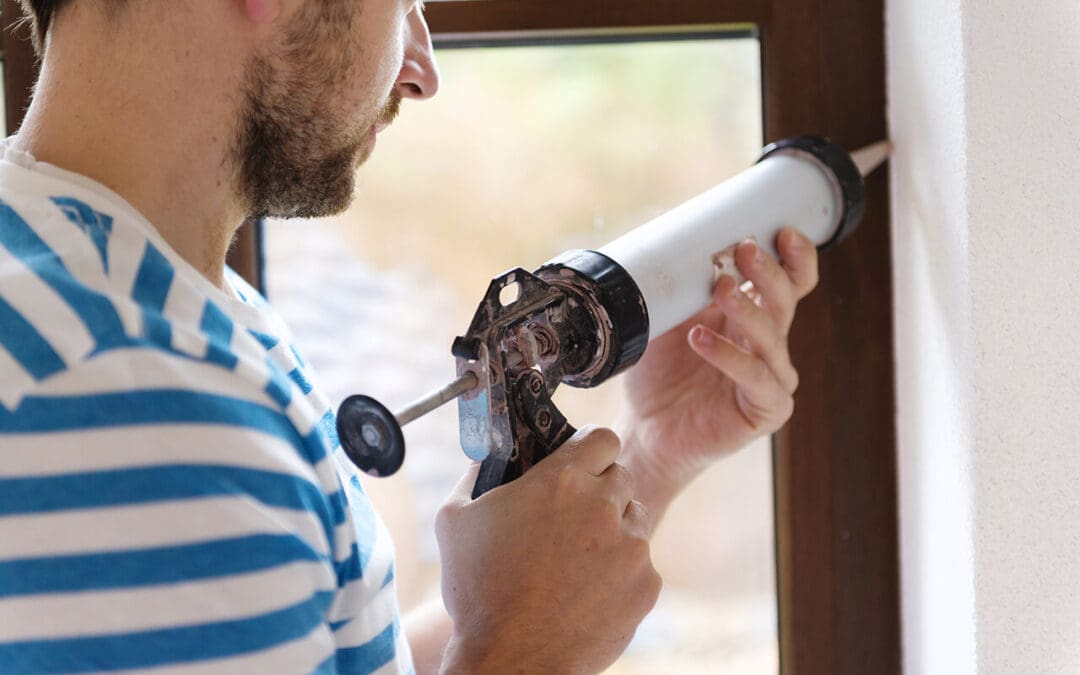
Drafty windows are one of the most common and most fixable sources of energy loss in a home. The good news is that to fix drafty windows, you rarely need to replace them. It requires understanding where the air is coming from and applying the right solution to that specific location. A draft that’s coming through a failed sealant joint responds to caulk. A draft through a failed weatherstrip responds to weatherstrip replacement. A draft through the glass itself, from a broken seal in a double-pane unit, is the one condition that points toward replacement rather than repair. Knowing which condition you’re dealing with is the first step toward fixing it correctly.
Finding the Source Before You Fix Drafty Windows
The most reliable way to locate where a draft is entering is to hold a lit candle or incense stick near the window frame, sash, and surrounding wall on a cold or windy day and watch for the flame or smoke to waver. The location where it moves is the location where air is infiltrating. The most common draft sources in residential windows are the sealant joint between the window frame and the surrounding wall, both interior and exterior, the weatherstripping that runs along the sash where it contacts the frame, and the meeting rail where the upper and lower sash of a double-hung window come together. Each of these locations is accessible and addressable without removing the window or hiring a contractor.
Fix Drafty Windows With Caulk, Weatherstrip, and Window Film
Exterior caulk failures at the joint between the window frame and the siding or exterior trim are among the most common causes of drafts. Removing the old, cracked caulk with a utility knife or caulk removal tool, cleaning the joint, and applying a fresh bead of paintable exterior caulk seals the infiltration point immediately. The same approach applies to the interior joint between the window trim and the surrounding wall, where gaps in the caulk or paint seal allow conditioned air to escape and outside air to enter. Weatherstripping replacement addresses the draft at the sash-to-frame contact points. Most windows use foam, felt, or v-strip weatherstripping that compresses over time and loses its ability to seal effectively. Replacing it with a fresh strip of the appropriate profile restores the seal that keeps the sash from drafting at the contact points.
When to Consider Replacement Instead
The one draft condition that caulk and weatherstrip can’t address is a failed seal in a double-pane insulated glass unit. When the seal between the two panes fails, the inert gas that provides insulation value escapes and moisture enters, producing the fogging or condensation between the panes that’s visible from inside the room. This condition means the insulating value of the glass has been compromised, and no amount of exterior caulk or weatherstrip corrects what’s happening inside the unit itself. In this case, replacing the glass unit or the entire window is the appropriate fix, and the draft that accompanies a failed seal is the symptom that makes the underlying condition impossible to ignore. Even when replacement is eventually the right answer, addressing the caulk and weatherstrip in the interim reduces drafts meaningfully and buys time to plan and budget the replacement properly rather than rushing it under pressure from worsening comfort conditions.
Liberty Inspections offers home inspections in the Greater Phoenix area. Contact us to schedule an appointment today.