
Electrical safety is one of the most consequential areas of home maintenance, and one of the least visible hazards often exists inside walls, behind panels, and in aging wiring that hasn’t been examined since the home was built. According to the Electrical Safety Foundation International, electrical failures are a leading cause of residential fires in the United States, contributing to thousands of fires and injuries each year. Most are preventable with basic awareness, routine attention, and knowing when to call a licensed electrician rather than attempting a fix on your own.
The Electrical Safety Issues Most Homeowners Miss
Electrical problems develop gradually: a circuit that trips occasionally, an outlet that feels warm to the touch, lights that flicker without explanation. These are symptoms, not quirks, and treating them as normal is one of the most common and most avoidable electrical safety mistakes homeowners make. Overloaded circuits are among the most widespread electrical concerns in residential homes. Plugging multiple high-draw appliances into a single circuit draws more current than the circuit is designed to carry. A breaker that trips repeatedly is doing its job, but a breaker that has been replaced with a higher-rated fuse or that has been taped in the on position, a dangerous practice that still occurs in older homes, removes the protection the circuit breaker exists to provide.
The Importance of GFCI and AFCI Protection
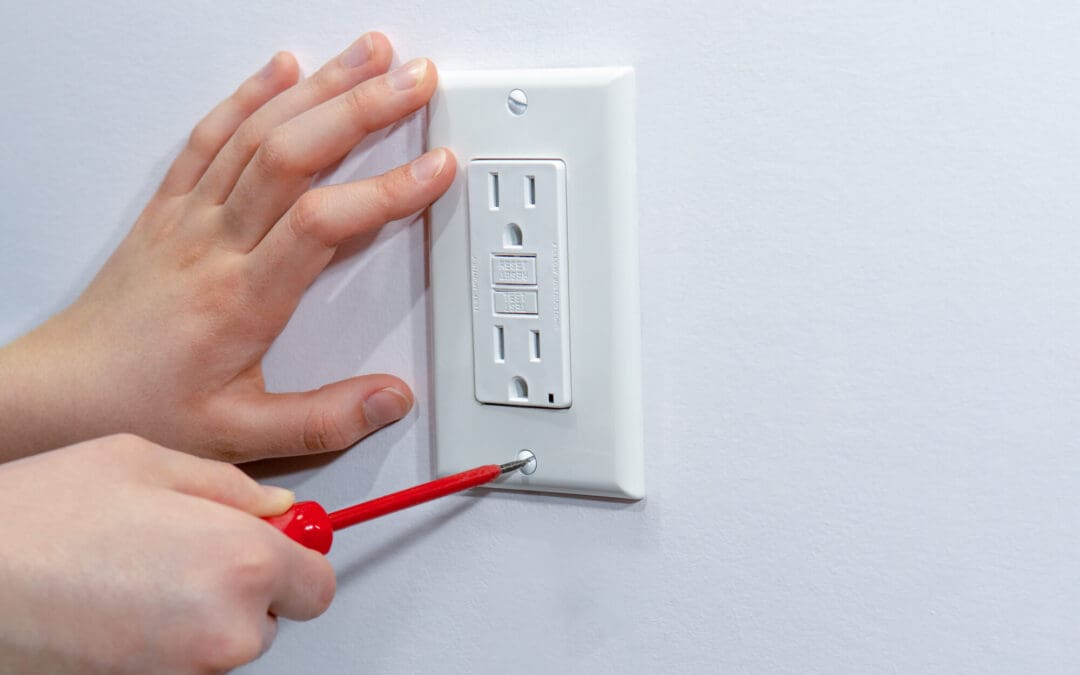
Ground fault circuit interrupter outlets (GFCI) are required by modern electrical code in any area where water and electricity might come into contact: bathrooms, kitchens, garages, outdoor outlets, and unfinished basements. These outlets monitor the current flowing through a circuit and cut power within milliseconds when they detect a ground fault that could cause electric shock. In older homes that predate these requirements, non-GFCI outlets in wet areas represent a genuine electrical safety gap that can be closed by replacing existing outlets with GFCI versions, a relatively inexpensive retrofit with meaningful safety impact. Arc fault circuit interrupter breakers (AFCI) address a different hazard: the electrical arcing that occurs when damaged or deteriorated wiring makes unintended contact. Arcing produces heat without tripping a standard breaker, and it’s one of the most common ignition sources for electrical fires inside wall cavities. AFCI breakers are required in modern construction for most living areas and represent an important electrical safety upgrade for older homes with aging wiring.
Electrical Safety Practices Every Homeowner Should Follow
Extension cords are a convenience, not a permanent wiring solution. Using extension cords as a substitute for adequate outlets, running them under rugs, through doorways, or keeping high-draw appliances permanently plugged into them, creates wear, heat buildup, and fire risk that proper wiring doesn’t. If your home doesn’t have enough outlets in the right locations, the correct solution is adding circuits, not extending the reach of existing ones. Know where your main electrical panel is, understand how to safely reset a tripped breaker, and have the panel inspected by a licensed electrician if it hasn’t been evaluated in more than ten years. Panels from certain eras have documented reliability and safety issues that warrant professional assessment regardless of whether problems have been noticed.
Liberty Inspections offers home inspections in the Greater Phoenix area. Contact us to schedule an appointment today.